
-
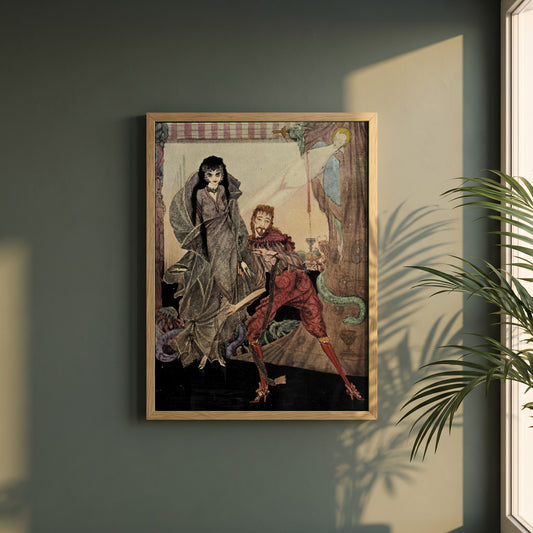
The Song of the Mad Prince (1917) – Harry Clarke Canvas Art Print
Regular price €299,00 EURRegular price -
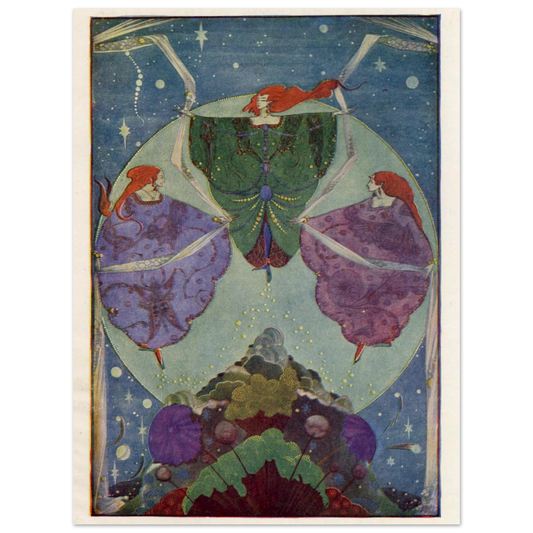
The Little Sea Maid (1916) – Harry Clarke | Andersen Fairy Tales
Regular price From €72,00 EURRegular price -
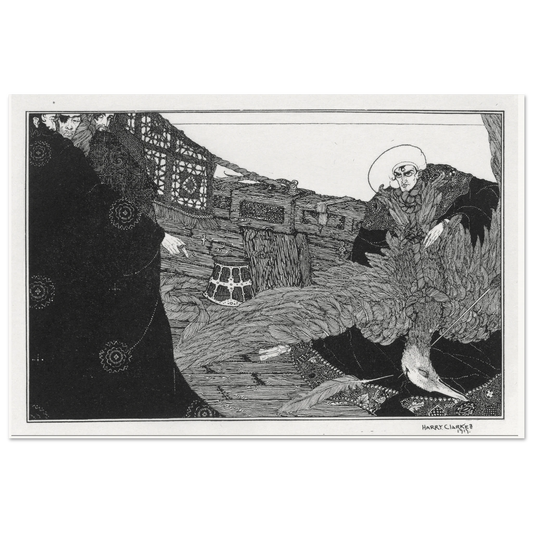
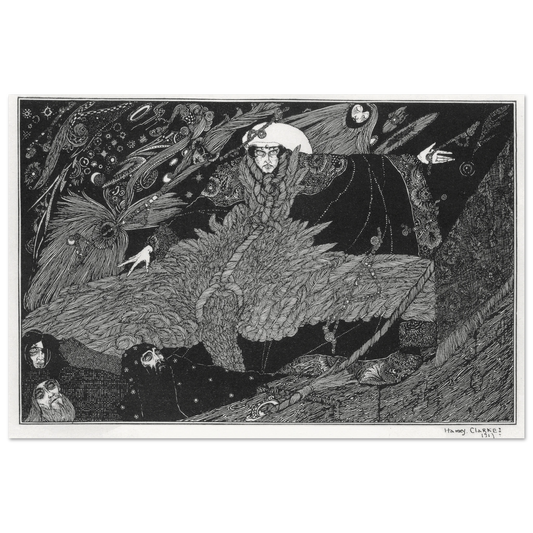
The Albatross Slain — Harry Clarke Ancient Mariner Print
Regular price From €72,00 EURRegular price -
The Albatross About His Neck — Harry Clarke Ancient Mariner Print
Regular price From €72,00 EURRegular price -
Harry Clarke – They Danced with Shawls Art Print
Regular price From €75,00 EURRegular price -
The Earth Grew Dark (1919) – Harry Clarke Gothic Art Print
Regular price From €55,00 EURRegular price€0,00 EURSale price From €55,00 EUR -
Harry Clarke – Poe’s Tales of Mystery and Imagination Art Print
Regular price From €60,00 EURRegular price -
The Dagger Dropped (1919) – Harry Clarke | Masque of Red Death
Regular price From €112,00 EURRegular price -
I Would Call Aloud (1919) – Harry Clarke | Poe's Ligeia
Regular price From €55,00 EURRegular price -
Myself No Power (1919) – Harry Clarke | Poe's The Assignation
Regular price From €75,00 EURRegular price -
Harry Clarke Butterfly Print | Sefton Fabrics Belfast 1918
Regular price From €75,00 EURRegular price -
Landscape by the Coast - Harry Clarke Canvas Art Print
Regular price €209,00 EURRegular price -
Floral Textile Design Art Print by Irish Artist Harry Clarke
Regular price From €55,00 EURRegular price -
Harry Clarke – Rending of Coffin Art Print
Regular price From €82,00 EURRegular price -
Harry Clarke – Slowly Opened Eyes Art Print
Regular price From €55,00 EURRegular price -
Harry Clarke – Spritely Grisette Art Print
Regular price From €55,00 EURRegular price -
Walled the Monster (1919) – Harry Clarke | Poe's Black Cat
Regular price From €75,00 EURRegular price -
See Fierce Belinda on the Baron Flies – Harry Clarke Art Print
Regular price From €72,00 EURRegular price -
Now Awful Beauty Puts on All Its Arms – H. Clarke
Regular price From €72,00 EURRegular price -
He Saw the Finest Sight – Harry Clarke Art Print
Regular price From €75,00 EURRegular price -
He Takes the Gift with Reverence – Harry Clarke
Regular price From €72,00 EURRegular price -
Down to the Central Earth – Harry Clarke Print
Regular price From €72,00 EURRegular price -
Harry Clarke – Noisome Quarter Art Print
Regular price From €75,00 EURRegular price -
But Trust the Muse – Harry Clarke Art Print
Regular price From €72,00 EURRegular price -
Her Guardian Sylph – Harry Clarke Irish Art Print
Regular price From €72,00 EURRegular price -
Swarmed Upon Me (1919) – Harry Clarke | Poe's Pit and the Pendulum
Regular price From €75,00 EURRegular price -
Toilsome Journey (1919) – Harry Clarke | Poe's Marie Roget
Regular price From €85,00 EURRegular price -
How Heavenly Fair Harry Clarke (Irish, 1889–1931)
Regular price From €72,00 EURRegular price€0,00 EURSale price From €72,00 EUR -
Harry Clarke – Marchesa Aphrodite (1919) Art Print
Regular price From €75,00 EURRegular price€0,00 EURSale price From €75,00 EUR -
The Sleeping Beauty – Harry Clarke Art Print
Regular price From €75,00 EURRegular price

















Collection: Harry Clarke
Harry Clarke was born in Dublin on St Patrick's Day, 1889, into a house where glass was cut, fired and leaded as ordinary trade — his father ran a church-decorating business on North Frederick Street. He was apprenticed into it at eighteen, won a travelling scholarship to study medieval glass at Chartres in 1914, and was dead at forty-one.
What he did to the glass
Clarke's colour is usually described as though it were a pigment he alone possessed. It was a process. He took flashed glass — clear glass with a wafer-thin skin of colour fused to one face — painted out what he wanted to keep, and bathed the sheet in acid in stages, so a single piece could shade from deep ruby to near-white without a lead line crossing it. Then he plated: two differently coloured etched sheets leaded as one, so light passes through two filters before it reaches you. That is where the Clarke blue comes from. Not a colour — a depth.
The windows and the books
The commission that made him was the Honan Chapel at University College Cork: eleven of its nineteen windows, finished by 1917. His St Gobnait of 1916 is the most photographed — Gobnait being the patron of bees, he set her in tracery of honeycomb. More than a hundred and thirty windows followed, across sixteen Irish counties.
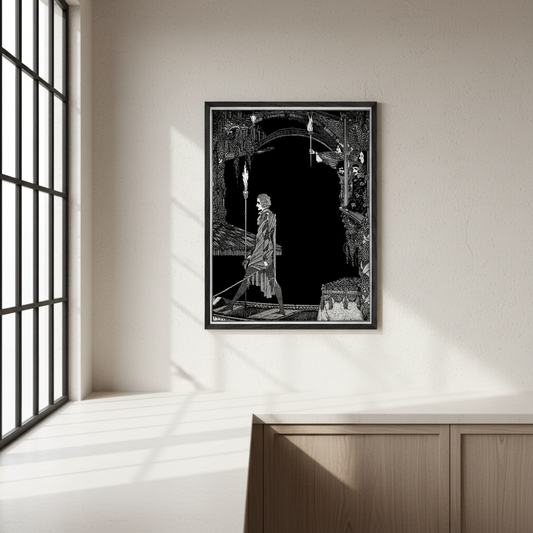
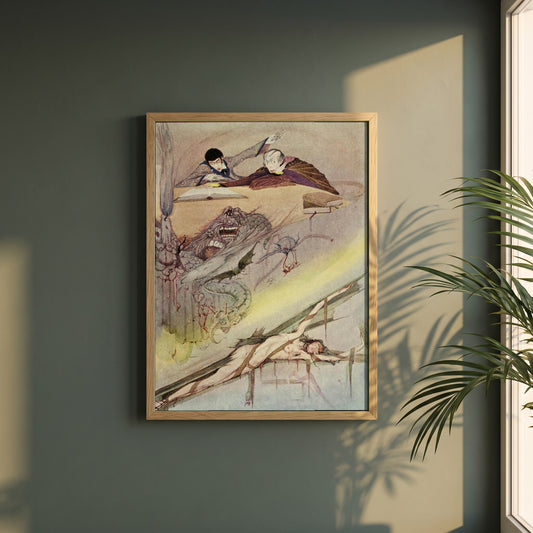
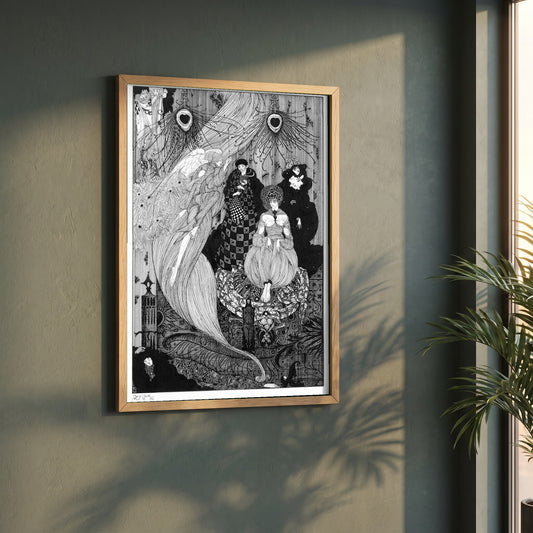
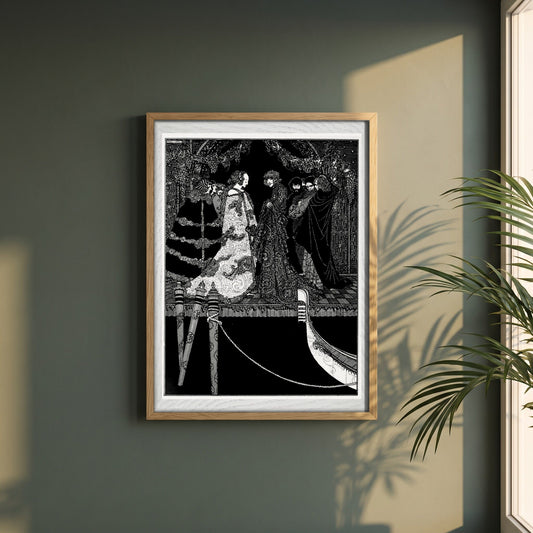
Most people meet him through the books. His pen-and-ink drawings for Coleridge's Rime of the Ancient Mariner date from 1913. Andersen's Fairy Tales followed in 1916, then Poe's Tales of Mystery and Imagination in 1919 — twenty-four plates in black and white, still the definitive visual reading of Poe a century later; a 1923 edition added eight in colour. Perrault came in 1922 and Goethe's Faust in 1925. His publisher called the Faust drawings "full of stench and steaming horrors". Clarke's reply was that they were "terribly, terribly sincere".
How these are printed
Each plate below is printed to order on 250gsm archival matte paper with pigment inks, framed in solid wood or unframed. Free worldwide shipping.
The longer story — the Honan windows, the window the Irish State refused to send to Geneva, and the grave at Chur with no headstone — is in our piece on Harry Clarke, and there is an illustrated guide to his life, with a map of the windows you can still go and stand in front of, on the Harry Clarke artist page. Part of our full Irish Art Prints collection.
